Programs, procurement, compliance, and the people who actually run them. Written by operators, for operators.
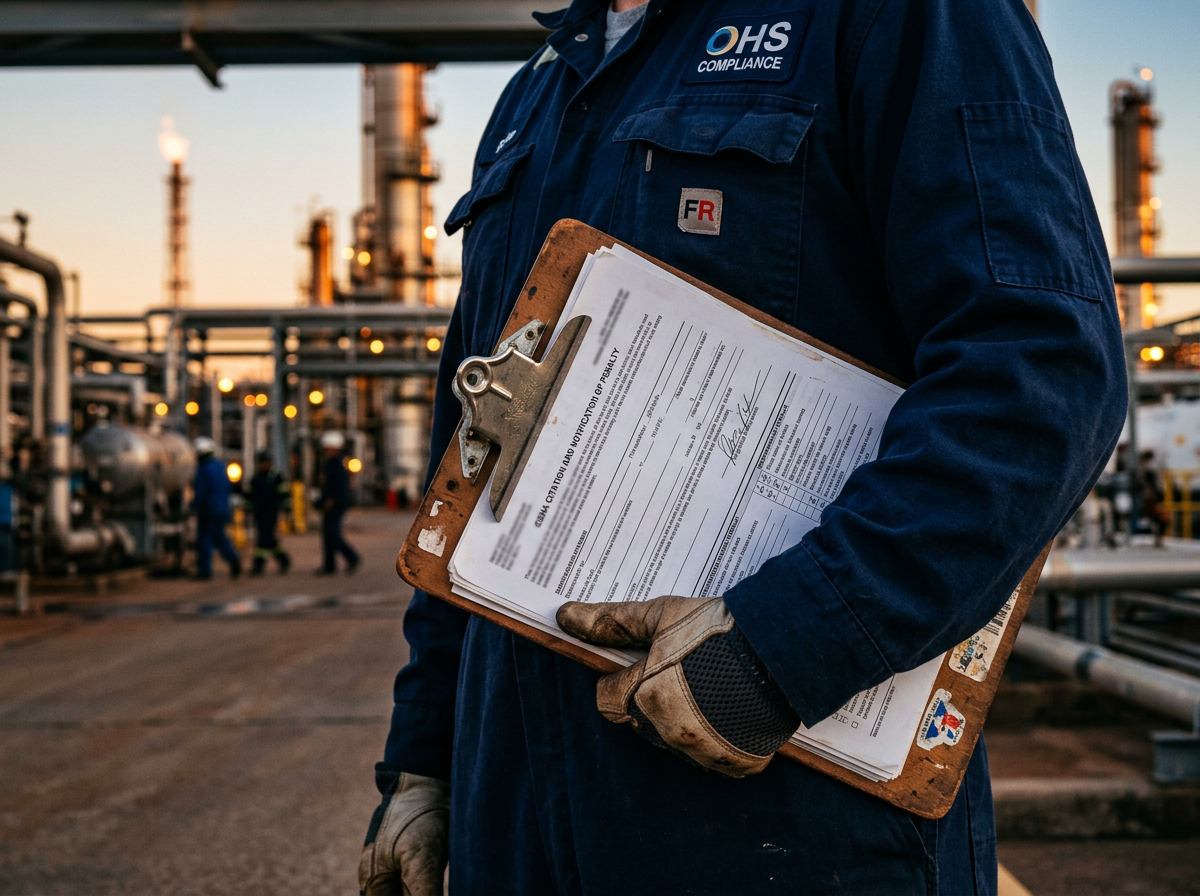
Three years of citations in the energy and chemical sectors. The enforcement pattern says where the standard is moving.and which programs are quietly accumulating exposure.

The procurement AI story is mostly demo-ware. What's actually shipping, what your team should be testing, and the three workflows where the productivity math already works.
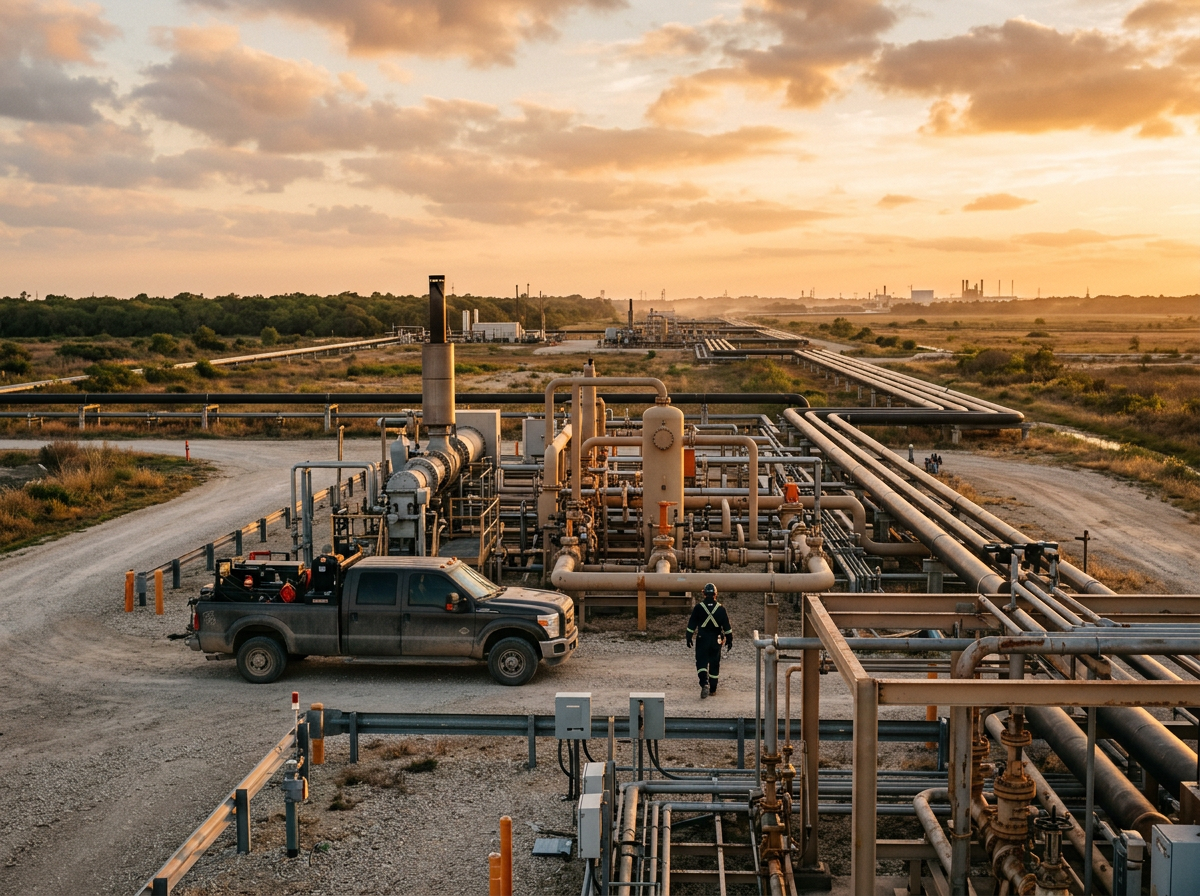
A workwear program built for upstream drilling fails at midstream. Here's why, and what to build instead for compressor stations, pipelines, and terminal operations.
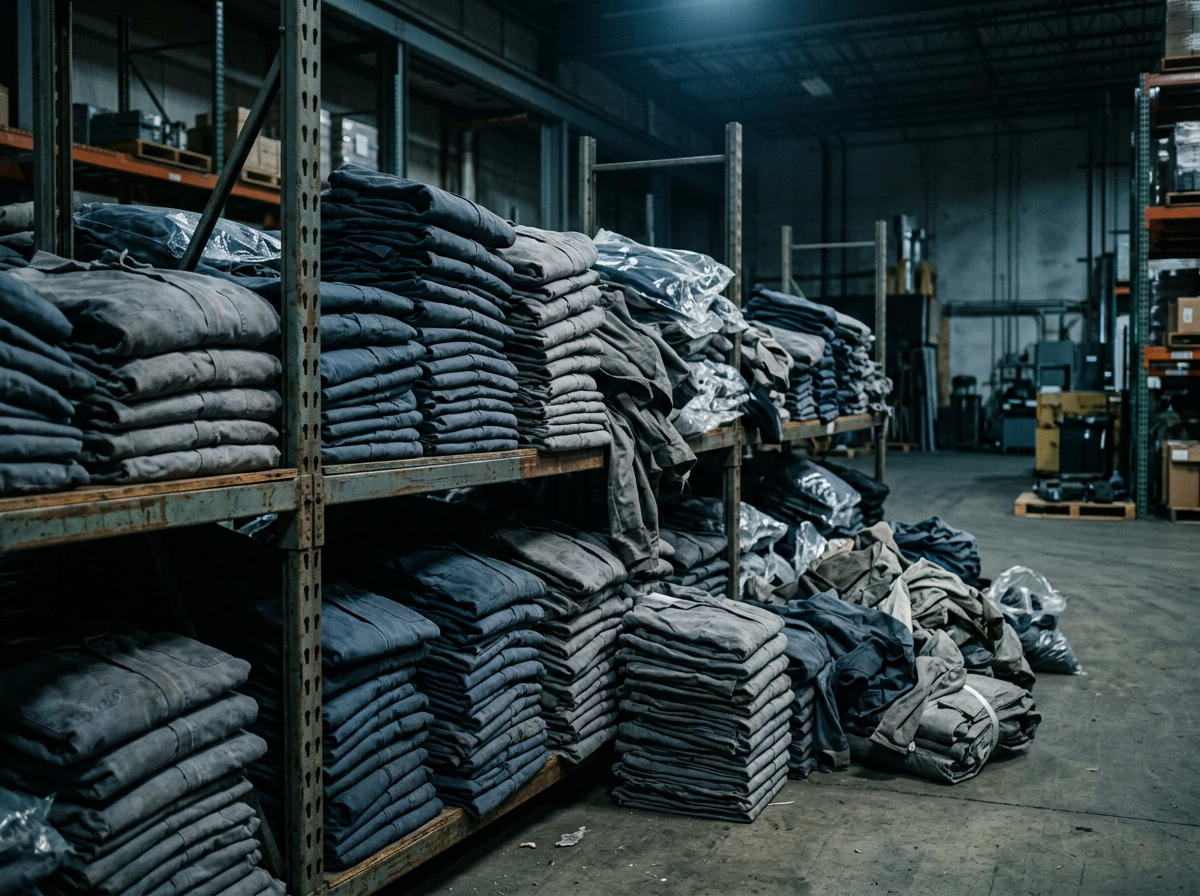
A real program. A real misread of the size run. The decisions that compounded the problem and the operational moves that recovered it. With actual cost in dollars and time.

I listened to the Q3 call so you don't have to. The three lines that matter, the one nobody noticed, and what they collectively say about where uniform rental is heading.
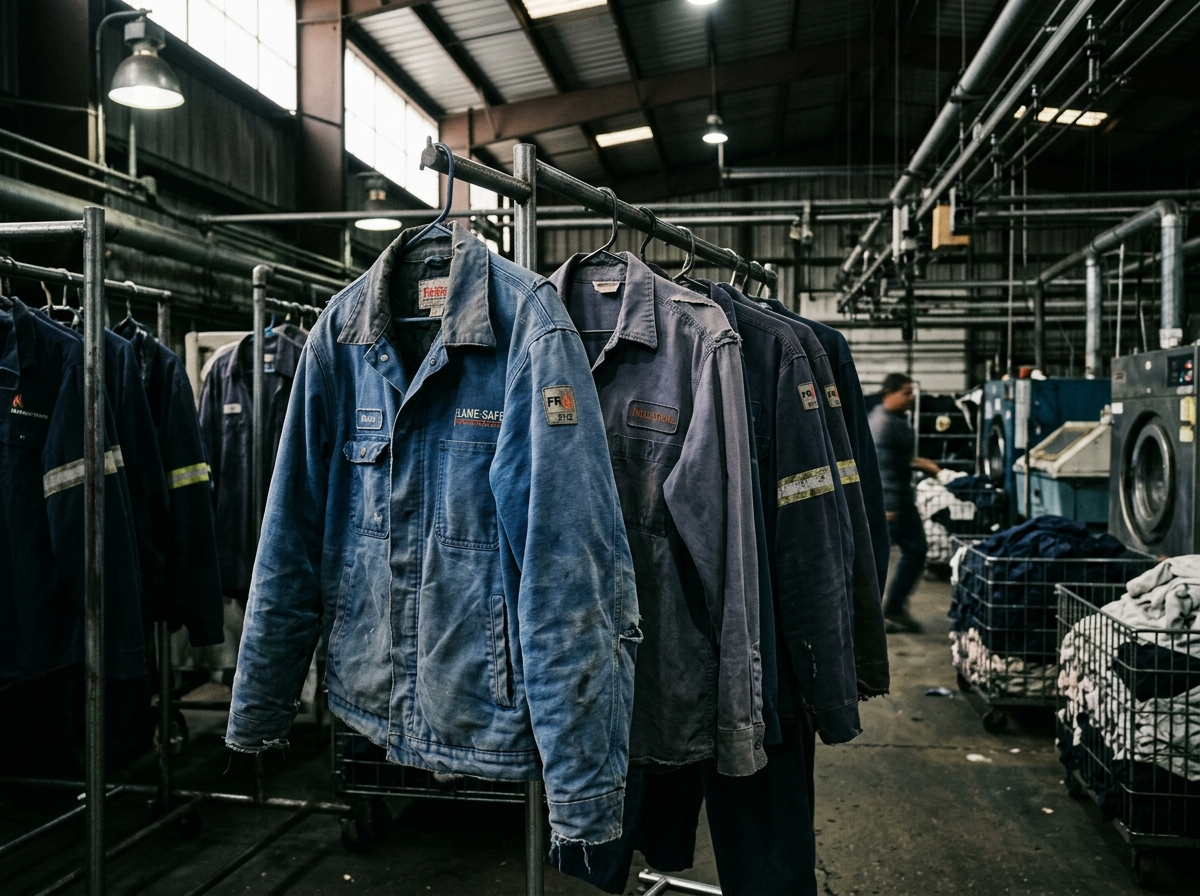
Procurement is shopping unit price. The CFO is asking about total program cost. The right number is in neither column.

Rotating crews, jobsite-by-jobsite specs, GC-versus-sub politics, weather that doesn't match anyone else's. Five operational realities.and the playbook that works.

The math, the meeting, and the morning I called our CEO to tell him. Firing your biggest account when the program stops working for the customer.

Branded merch lives under marketing in 80% of enterprises. That's a 1990s org chart for a 2026 business. Why moving the budget line costs nothing and gets better outcomes.

McKinsey's latest enterprise procurement transformation report is mostly right. The piece they missed is the piece that matters most to a workwear or merchandise program.
The math behind the most under-performing line item in your branded merch program.and the one swap that turns it into the highest-retention touchpoint a new hire receives.
Most sustainability claims in promo are theater. Three questions that separate the real programs from the green-washed ones.and what those answers cost.

Most distributors run programs through email and spreadsheets. Here's what changes when the whole operation lives on one SOC 2 platform.
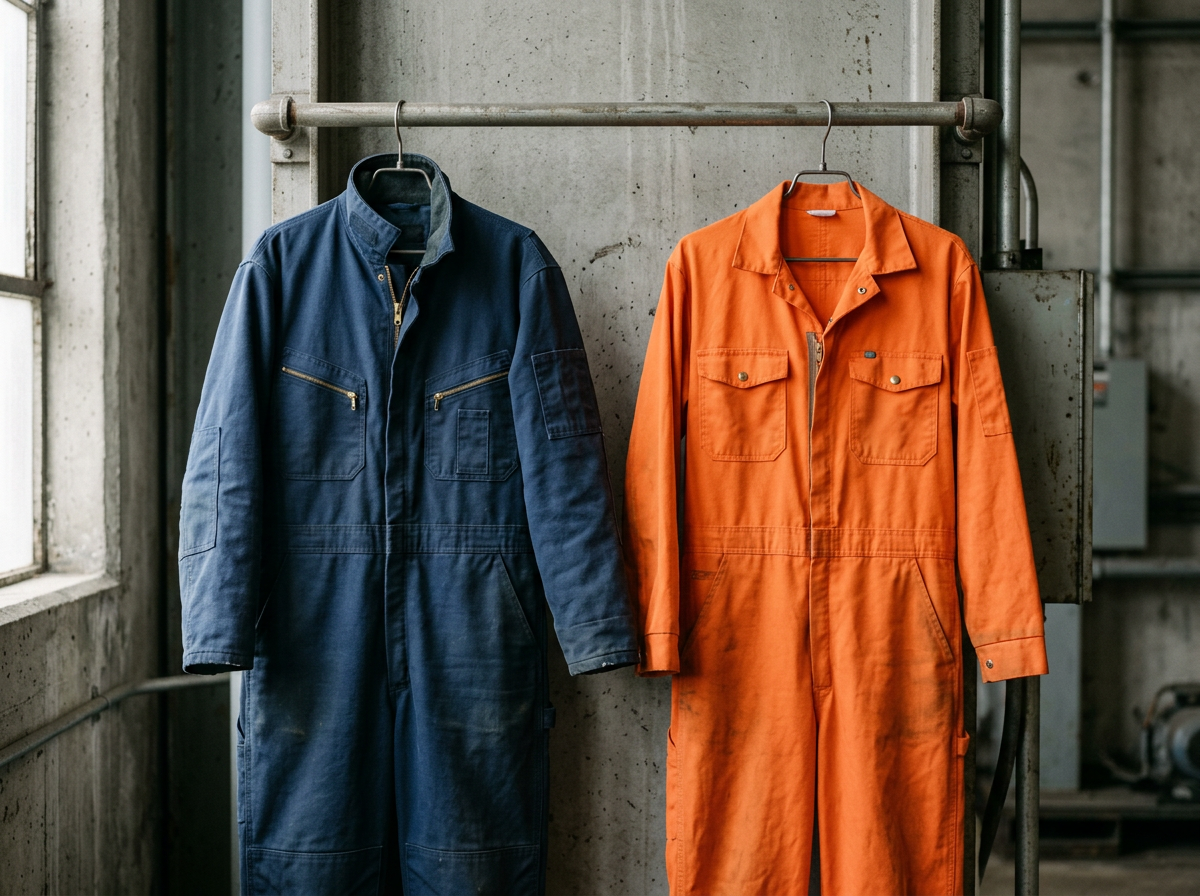
Both protect workers from fire and arc. Neither is interchangeable. A field-level breakdown of when each applies.and why buying the wrong one costs more than the right one.
Cintas and Vestis built a business model around a problem that's mostly been solved. Here's the math on why owning beats renting at any meaningful scale.

Branded merchandise and workwear programs hold employee data, vendor data, payment data. Without SOC 2, your distributor is a data risk you didn't account for.

Item-level pricing is the smallest line. The real cost sits in everything around the invoice. Most programs are paying it without knowing.
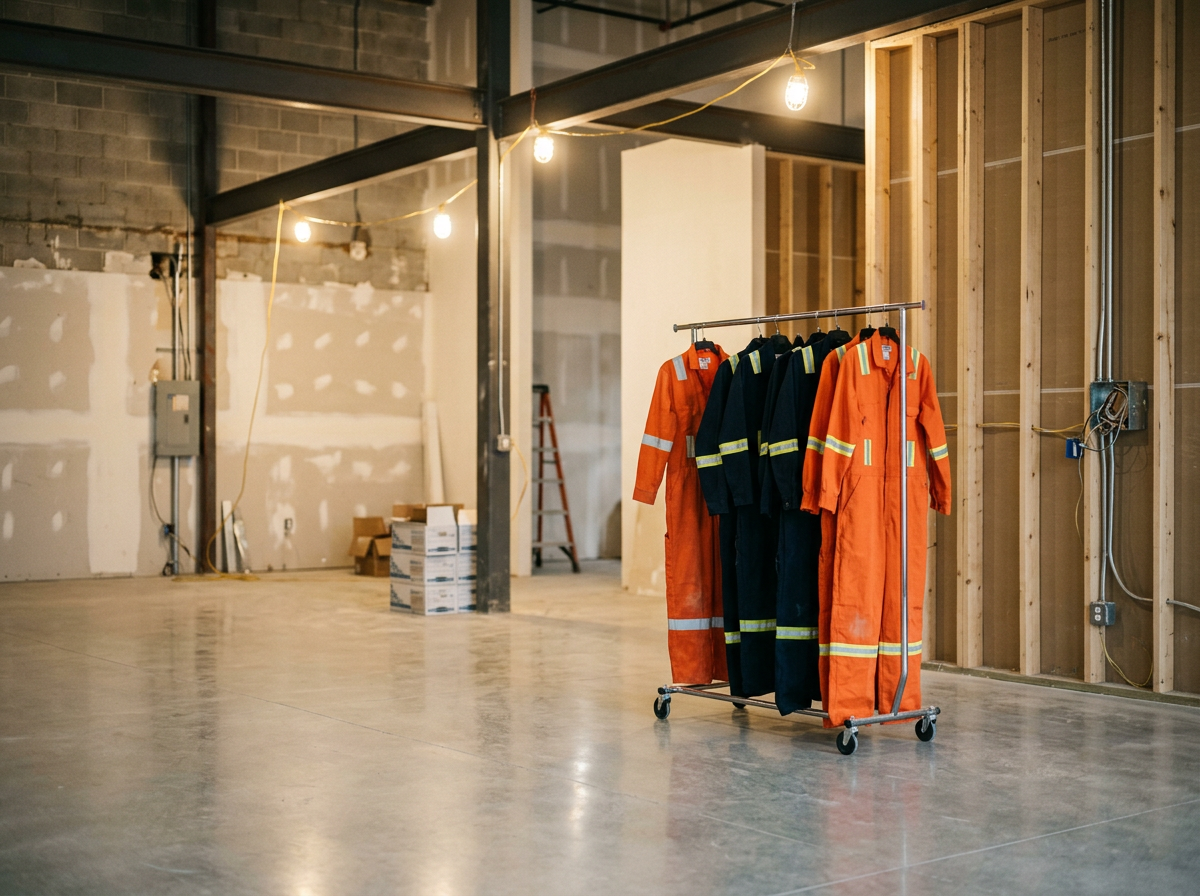
From discovery to deployment. The decisions made at week 4 that saved the program from a six-month delay.
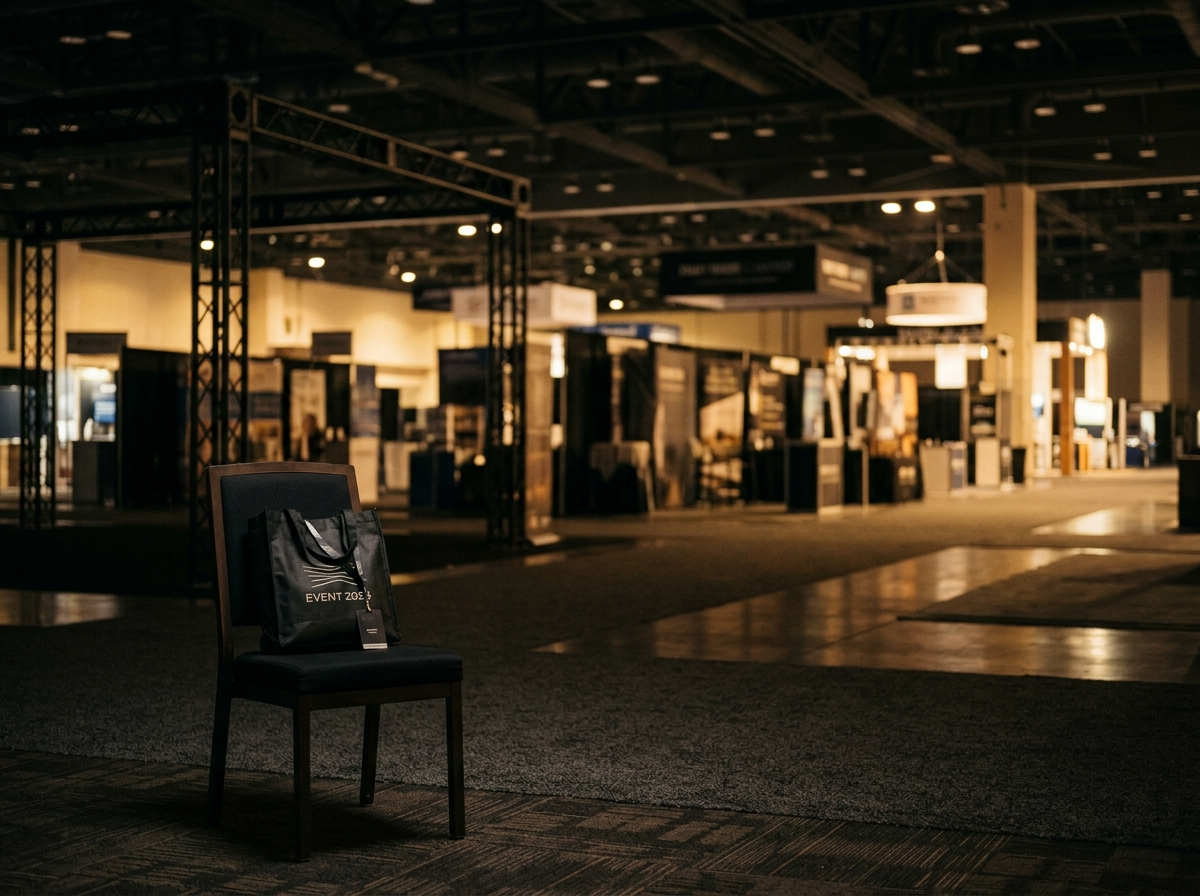
Most trade show pens hit the trash before the flight home. The thing that survives the suitcase is the thing that solves a problem the attendee already had.
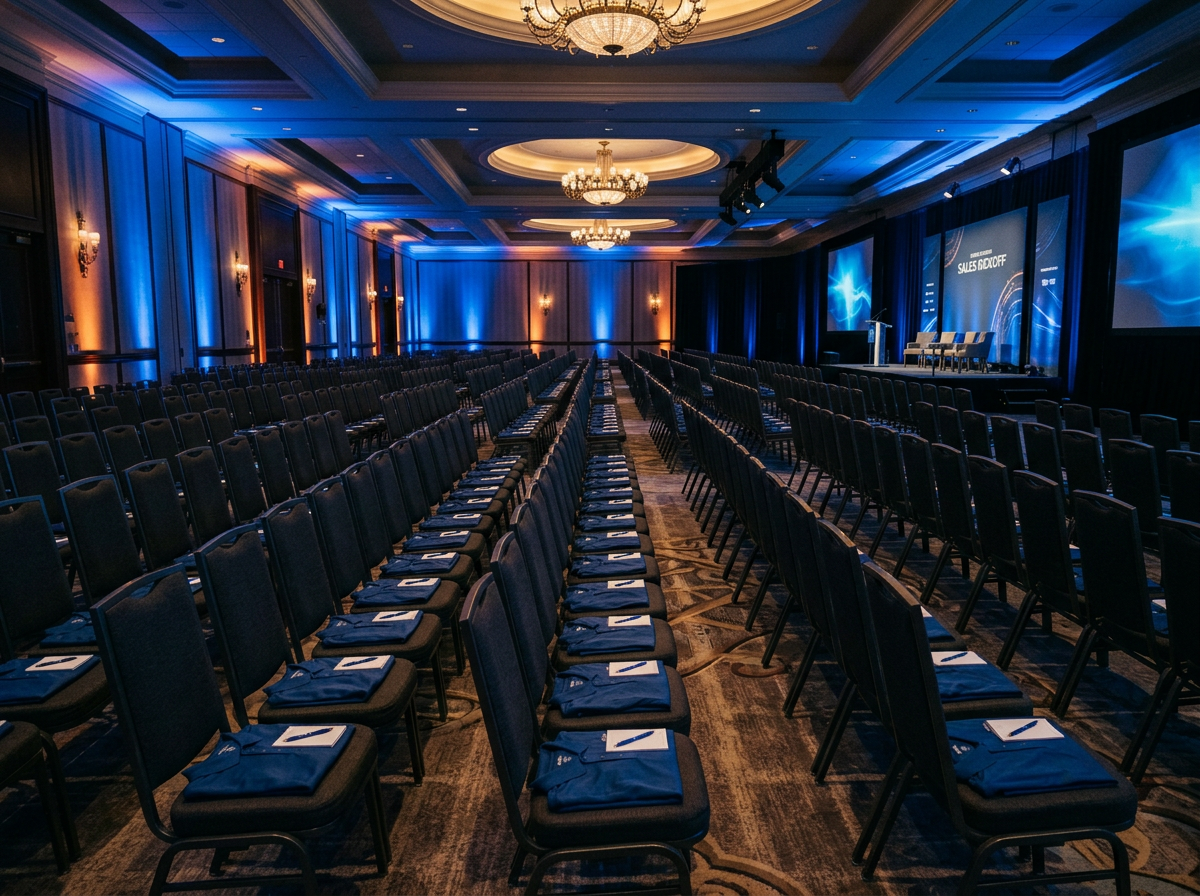
Branded apparel at internal events lives or dies on whether your team would wear it on a Saturday. A simple bar that kills most catalog buys.

The C-suite already has the wine, the desk accessory, the leather notebook. The gift that becomes a story they tell is a different category entirely.

The things that survive a customer's desk drawer solve a small daily problem better than what they currently own. The bar isn't "branded thing."
One field-tested piece every month. Written for procurement, EHS, and the people who actually run the programs. No products, no pitches.